Monday, October 19, 2026 · LEGO & Building Sets
Vintage Christmas Ornaments: Era Styles, Collector Clues and Care
Noted by America's Antique Mall · 559 reads
Explore ornament styles from Victorian designs to the 1990s, plus practical tips for identifying, displaying and storing fragile vintage finds.

Vintage Christmas ornaments bring more than color to a tree: their shapes, materials and small signs of handwork can connect a collection to a particular era. For collectors, those details also help distinguish one type of ornament from another and guide decisions about condition, display and care. A thoughtful mix of old and new can make a tree feel personal without turning it into a period-perfect display.
Vintage and antique: a useful distinction
Collectors and antique mall vendors commonly use “vintage” for ornaments made between 20 and 99 years ago. Items made before the 1920s are generally described as antique; Kugel glass ornaments are one example. These labels offer a starting point, though a cap, construction details and materials may help narrow down an individual piece’s age.
What draws collectors to older ornaments?
Part of the appeal is the way older decorations evoke family traditions and holiday settings from another time. A few ornaments with familiar colors or shapes can bring warmth to a tree, especially when they recall decorations once seen at a grandparent’s home.
Construction is another draw. Hand-blown figural glass and carefully made mercury glass icicles show the work of skilled makers. Small irregularities can be part of that handmade character, rather than a flaw from factory production. Collectors may also focus on particular makers or designs; Christmas ornament collecting can follow many interests, from a favorite color to a specific brand.
Condition and scarcity influence what collectors seek, but age alone doesn’t establish an ornament’s worth. A Shiny Brite piece found at a flea market won’t automatically command a high price. Rarer designs may attract more attention, while damaged ornaments can still hold a place in a collection for their look, history or sentimental value.
What can affect collector interest?

- Rarity: Designs made for a short period, or from eras with relatively few surviving examples, may be harder to find.
- Condition: Paint loss, broken pieces and other wear matter when assessing an ornament. A well-preserved example may be more appealing, though a damaged one can still be collectible.
- Brand: Some collectors build a display around a maker. Names mentioned by collectors include Hallmark Keepsakes, Shiny Brite and Coby Glass.
- Technique: Free-blown glass and hand-applied silvering are among the methods that can make a piece stand out.
- Materials: Mercury glass, spun cotton and Dresden paper are less commonplace in today’s holiday décor, and can draw collector interest. You may encounter such pieces at a Kentucky antique store.
These clues work best together. A maker’s mark or unusual material can help identify an ornament, while condition and rarity add context. Comparing similar pieces and checking the details is more useful than assuming a particular age or brand guarantees a certain price.
Styles across the decades
Ornament styles shifted considerably over time. Getting familiar with those changes can make browsing a vintage shop more rewarding and help a collector recognize the look they want. This guide to Christmas décor through the ages offers another look at how seasonal design developed.
Victorian-era ornaments
Victorian Christmas décor could range from edible garlands, fabric bows and ribbon angels to elaborate glass and paper ornaments. Two German designs associated with high-society decorating were Kugel ornaments, made with thick glass walls and silvered interiors, and Dresden ornaments: embossed, three-dimensional paper pieces finished with foil. Together, they suggest a richly layered period style. Charles Dickens’s A Christmas Carol provides a familiar reference for the era’s holiday imagery.
Art Deco ornaments
Look for strong geometry, sleek outlines and metallic shine. Molded figural glass was popular, while beaded strands, sunburst motifs, symmetry and ornate finishes can point toward the Art Deco look. These Art Deco Christmas ornaments suit collectors drawn to crisp shapes and polished detail.
Ornaments made during material shortages
Ornaments from periods of constrained materials can have distinctive construction. Some Shiny Brite glass ornaments used exterior paint or a piece of tinsel inside for color and sparkle in place of the more familiar silvered coating. Caps could also be made from paper or cardboard instead of metal. Those changes make the cap and finish useful details to inspect when comparing pieces.
Hallmark Keepsake and Santa Land designs
Hallmark began releasing its Keepsake Ornaments in 1973. The designs were made in materials including porcelain, metal and plastic, and each was stamped with its release year. That date gives collectors a direct link between a particular ornament and the season it commemorates. An original red box can add to its appeal. These holiday collectibles offer a different collecting path from hand-blown glass.
Santa Land ornaments were also sought after in the 1970s. Original sets were often made in Europe and distributed in the United States. Their mouth-blown glass forms, glitter and fabric decoration give them a distinctive look. The brand has had a later revival, so construction details matter when looking for an original piece.
1990s ornaments
Ornaments from the 1990s now fall within the commonly used vintage age range. The style moved beyond polished spheres and icicle shapes toward pop-culture subjects: Disney figures, references to bands and television shows, and light-up designs. For some collectors, those character ornaments capture a decade as clearly as earlier glass pieces capture theirs. They also show how a collection can focus on personal memories as much as materials or makers. Browse related collectibles to see how those interests overlap.
Five practical collecting tips
1. Check for signs of age and handwork
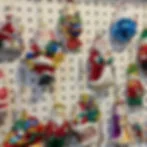
Reproductions exist, so inspect the ornament rather than relying on a seller’s label. The source recommends looking for patina on metal details, uneven edges on mouth-blown glass, a substantial feel and a reflective interior. No single clue settles the question by itself, but several consistent details can help. Take time to examine a piece before buying it at a Melbourne antique mall.
2. Look closely at the cap
A cap can provide clues to an ornament’s age and origin. Many older examples have simple metal caps that may show rust or tarnish. A stamp naming a maker or country of origin can help with identification. Caps can be replaced, however, so treat them as one clue among several rather than a definitive date.
3. Choose a theme that suits your collection
A focus makes it easier to decide which pieces belong together. You might collect a single motif or color palette, or concentrate on one maker. Popular motifs include stars, snowmen, Santa Claus, snowflakes, candy, woodland animals, plaids, bells and foods. A clear theme also gives family and friends a useful idea of what you enjoy collecting.
4. Browse throughout the year
Vintage holiday décor may turn up in antique shops and vendor malls outside the winter season. Displays often grow as the holidays approach, but shopping year-round gives you more chances to encounter an unusual piece. Check back at a Highland antique mall as stock changes.
5. Mix vintage pieces with modern ones
A tree doesn’t need to follow one era. Pairing contemporary decorations with vintage finds lets distinctive older ornaments stand out while keeping familiar favorites in the display.
Where to shop and how to display a collection
Family attics and eBay.com can be places to search, while an antique mall brings many vendors’ collections together in one visit. Browsing in person makes it easier to compare size, finish and condition. At a Louisville antique mall, merchandise changes as vendors rotate their stock, so an ornament you spot one day may not be there on your next visit.
A full tree isn’t the only way to enjoy a collection. Hang ornaments on artificial garland and place it along a staircase railing, mantel or doorway. For a centerpiece, arrange delicate pieces in a large glass bowl. Sturdy ornament stands let favorite designs dress a bookshelf or mantel, including outside the holiday season.
Protect fragile ornaments in storage
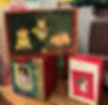
Many antique ornaments need more careful handling than modern decorations. Wrap each piece separately in acid-free tissue paper, then place it in its own compartment in a sturdy storage box. Keeping the box in a climate-controlled space helps protect the collection between seasons.
For further browsing, visit America’s Antique Mall or explore a local shop throughout the year. Whether your focus is a maker, an era or a favorite motif, careful inspection and thoughtful storage will help keep the ornaments ready for the next display.