Sunday, October 11, 2026 · Toys & Action Figures
Martha Boers’ Dragon Family Sets Off on Vacation in a Doll Story
Noted by James Smith · 876 reads
An affectionate farewell from Lily and Larry launches the dragon family’s outing, with Martha Boers bringing the characters to life through photography and storytelling.
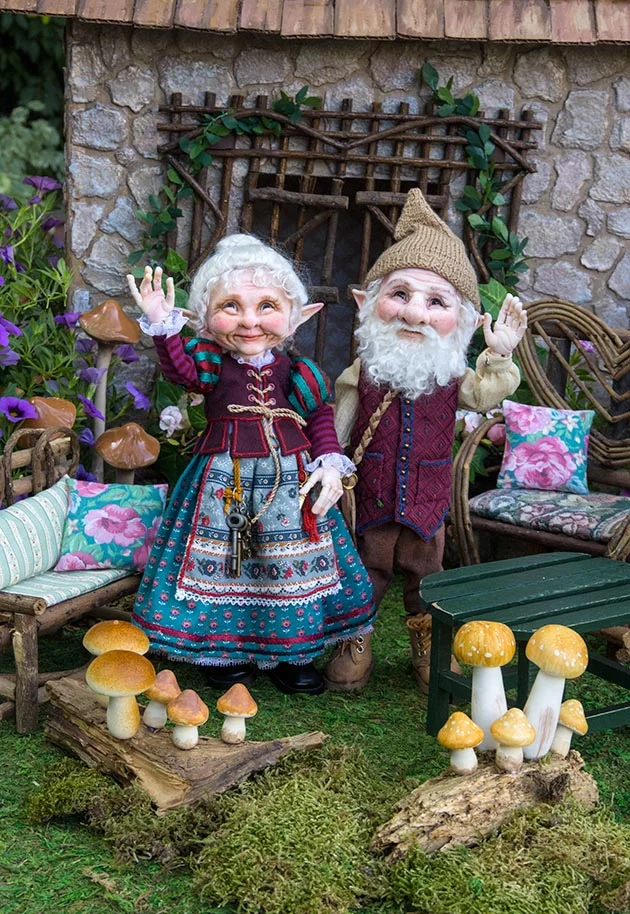
The best detail in this small doll scene may be a familiar bit of family choreography: Saphira reminding the children to stay together as the group heads out. That practical touch gives the dragon family’s departure its warmth, because it places an ordinary parental concern inside an otherwise fantastic scene. The vacation is beginning, but the moment is still a goodbye, shared with Lily and Larry before the travelers set off. There’s a little delay built into that exchange: the family is ready to go, yet it hasn’t quite left.
The scene’s appeal rests on the way fantasy and ordinary family life meet. These are dragons, yet their outing has the recognizable rhythm of a parent gathering several children before leaving. Saphira’s reminder makes the characters sound less like distant mythical creatures and more like a family preparing for a day away. That shift gives the imagined flight a grounded, affectionate quality, and it lets the viewer understand the relationship without needing a long explanation of who everyone is. The dragons can be extraordinary in what they do while remaining familiar in how they relate to one another.
Making dragons feel present
The accompanying response praises the sense that the dragons can “fly” and that their voices feel human. Those two effects work together: movement gives the figures a sense of possibility, while familiar speech makes their personalities easy to read. A short line of dialogue can carry a surprising amount of character, especially when it sounds like something a caregiver might say during a busy family outing. It gives the viewer a voice to imagine, and that imagined voice can make a still arrangement feel like one moment in a larger conversation.
That balance is a useful part of doll storytelling. A carefully arranged figure can suggest action even in a still photograph; posture, spacing and the relationship between characters invite viewers to imagine what happened just before the frame and what may follow. Here, the farewell provides the pause before departure, while Saphira’s instruction hints at the lively work of keeping a group together once the trip begins. The scene doesn’t need to show the flight itself to make it feel possible. The anticipation does some of that work.
There’s also a practical craft in making a fantastic premise legible. If every detail insists on magic, the characters can feel remote; if the scene leans only on familiar family behavior, the dragons risk becoming costumes without much narrative purpose. This one finds its footing in the overlap. A parent’s reminder gives the imagined outing a recognizable shape, while the prospect of flight keeps it distinct from an ordinary family departure. That’s a modest storytelling choice, but it gives the scene an accessible emotional center.
Martha Boers’ collecting and creative work
Martha Boers is described as an award-winning Canadian doll artist and costumer. She photographs her collection and creates stories featuring ball-jointed and artist dolls. Her work brings together collecting, costuming and scene making, with the dolls serving as both carefully chosen objects and characters in an ongoing imaginative world. Those activities ask for different kinds of attention: a collector may notice the figure as an object, while a viewer encountering the photograph follows its pose, clothing and role in the scene.
For collectors, that combination offers a reminder that a collection can be enjoyed in more than one way. The figures may be appreciated for their design and craftsmanship, then brought into new focus through clothing, photography and narrative. In a scene like this one, the story gives each character a role: Lily and Larry offer a send-off, the dragon family prepares to leave, and Saphira takes on the familiar task of keeping the children close. The objects become participants in a small event, rather than remaining a group of figures presented without context.
That doesn’t mean every collector needs to build a story around a collection. But Boers’ approach shows how narrative can give viewers another way into the work, including people who might not know the dolls or their makers already. A costume can help establish character, a pose can imply intention, and a simple exchange can suggest how the figures relate. The pieces of the scene support one another. It’s the kind of work where a small gesture may carry more weight than a crowded display.
A farewell that opens the next scene
The title, “Leaving,” fits the moment’s simple structure. The departure itself is the subject, but the vacation ahead supplies the promise. A farewell scene naturally leaves room for the viewer to imagine the next setting and the adventures the family might have there, while the parent’s reminder keeps the story anchored in an everyday detail. The title also leaves the destination unstated, so the scene’s interest stays with the family and the act of setting out.
That open-ended quality is part of the pleasure of a photographed doll narrative. The image can mark a transition without spelling out every event. Viewers bring their own sense of what a family outing involves, and the characters’ expressions, placement and dialogue help turn that recognition into a small story. The dragons may be ready to fly, but the family still has to get out the door together. And that’s the joke and the tenderness in the scene: even an airborne family has to keep track of the children.
Why this small departure matters
This is more significant than it looks, though its achievement is intimate rather than grand. The scene shows how a collector’s display can become a narrative through choices of character, pose and dialogue. It also points to a strength of doll photography: the viewer supplies some of the motion and history that a single image can’t show. A moment of departure can feel complete enough to enjoy on its own, while still leaving a clear opening for what might come next.
If you’re working in this space, the useful lesson is that a scene doesn’t need a complicated plot to give figures distinct roles. A practical reminder, a goodbye and an implied trip are enough to establish a family dynamic. (And this is the part most people overlook.) The ordinary detail isn’t decoration; it’s the bridge that lets the fantastic premise feel close at hand.
Boers’ profile points readers toward more of her doll work, including a feature titled “Martha Boers: Antique Lilac”. For anyone following her collection and creative practice, this departure scene is a personable entry point: a cast of dolls, a clear family dynamic and a vacation just beginning. The farewell closes one small moment and leaves the next one open. A family on its way.