Monday, May 5, 2025 · Stamps & Postal History
More Than 450 Lots Set for Stratford O.N.A. Convention Sale on May 9–10
Noted by Alliance Coin & Banknote · 685 reads
The Stratford O.N.A. Convention Sale brings more than 450 varied lots to iCollector, with live bidding on May 9 and in person lot pickup on May 10.
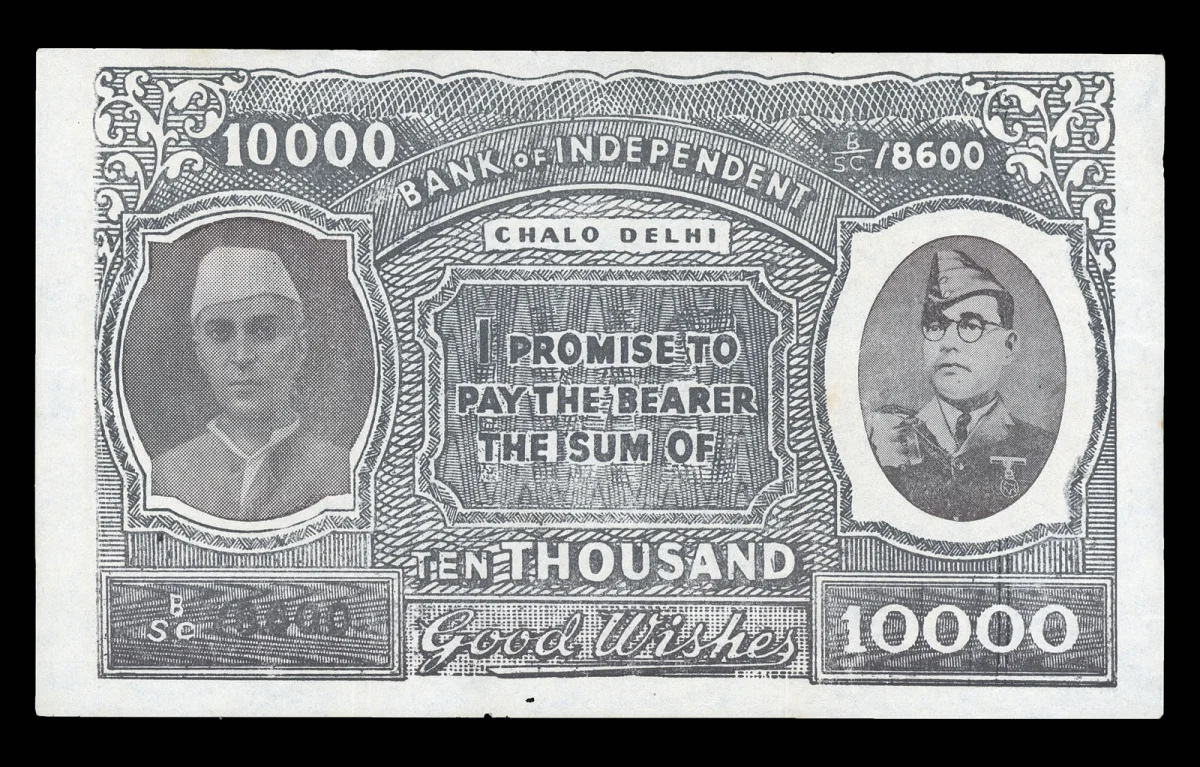
More than 450 lots are headed to the Stratford O.N.A. Convention Sale, giving collectors a broad auction to explore across two days in May. The sale is scheduled for May 9 and 10, 2025, at the Best Western – Arden Park in Stratford, Ontario, in conjunction with the Ontario Numismatic Convention. The announcement frames the offering as “Odd & Curious,” a description that suggests variety is the main attraction. It doesn't establish what kinds of objects make up that variety, though, so the catalog will matter more than the label once bidders start evaluating individual lots.

Online bidding and live sale
Advance bidding is available through the sale’s iCollector auction page. The live sale begins Friday, May 9, at 6:00 pm, from the O.N.A. Convention. Collectors can review the catalog online before bidding, then follow the live session at the announced time. That setup gives remote participants a way to engage with the auction while the convention is underway, though the announcement doesn't explain how the live bidding will be conducted or whether every lot will be offered in that session.
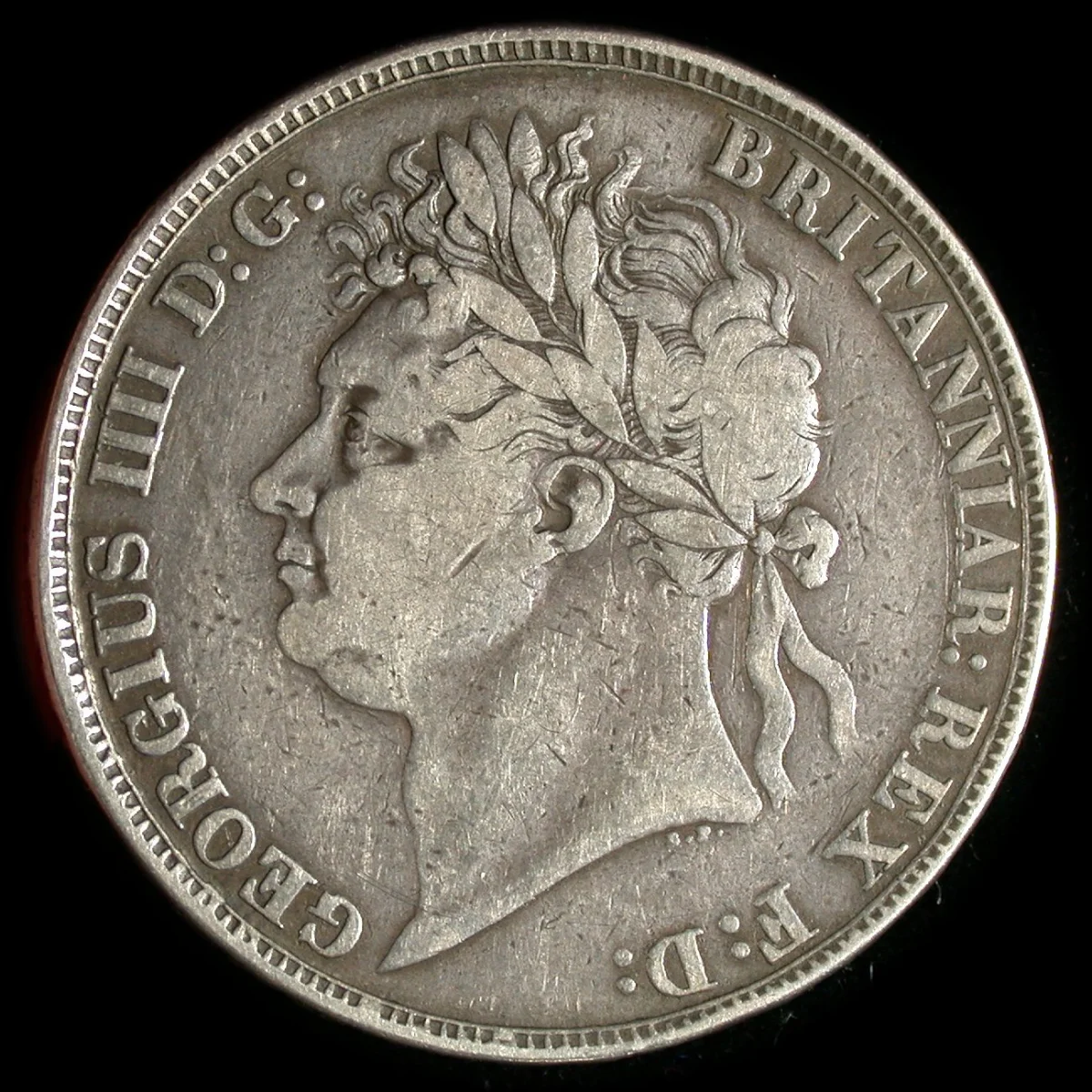
For a buyer, advance bidding and live bidding serve different purposes. Reviewing lots beforehand allows time to compare descriptions and decide which pieces deserve attention; the live session is where bidders can follow the sale as it unfolds. If you're working in this space, it's sensible to treat the published schedule as a starting point and check the auction page for the details tied to each lot. Auction mechanics can vary, and this announcement doesn't supply particulars such as bidding increments, premiums, shipping arrangements or payment terms.
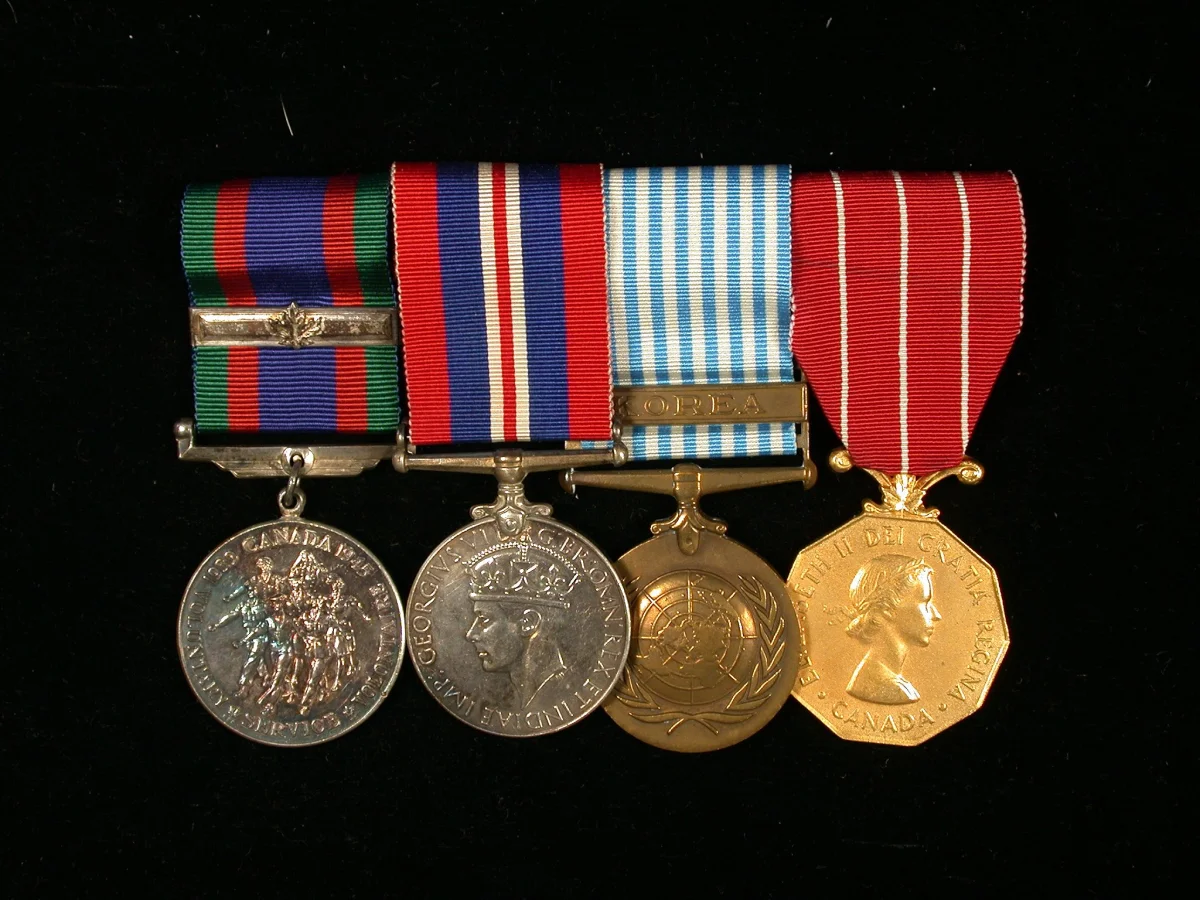
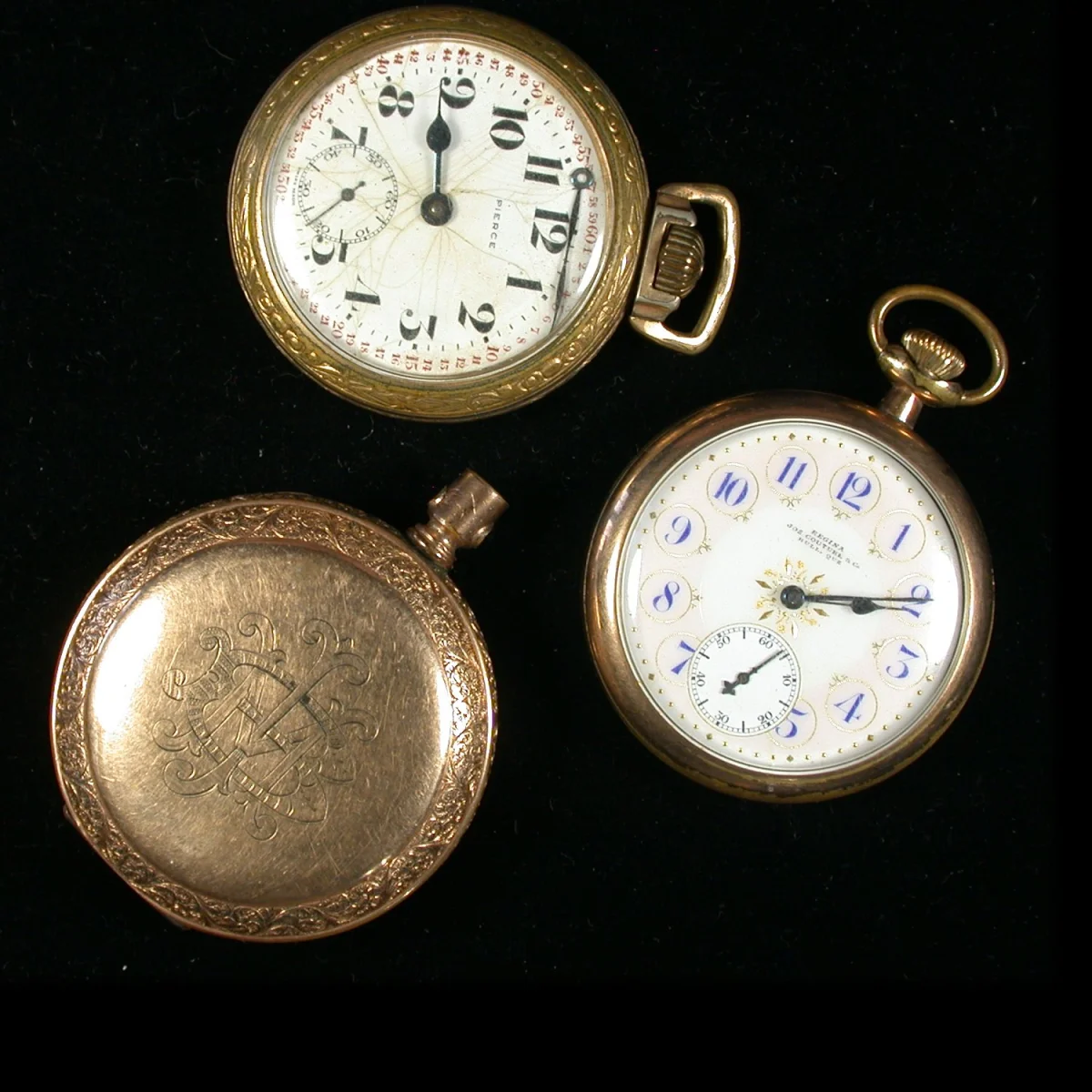
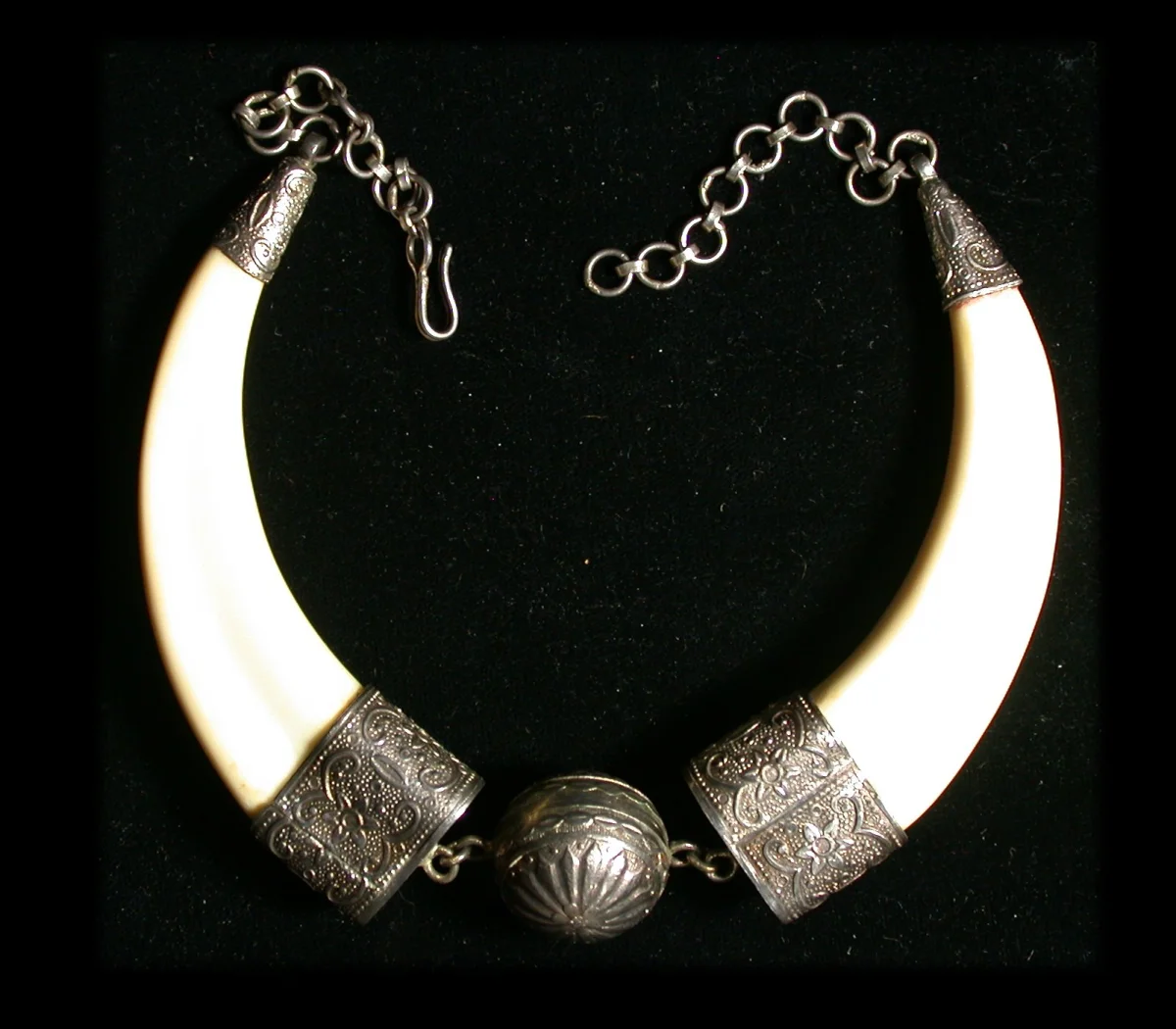
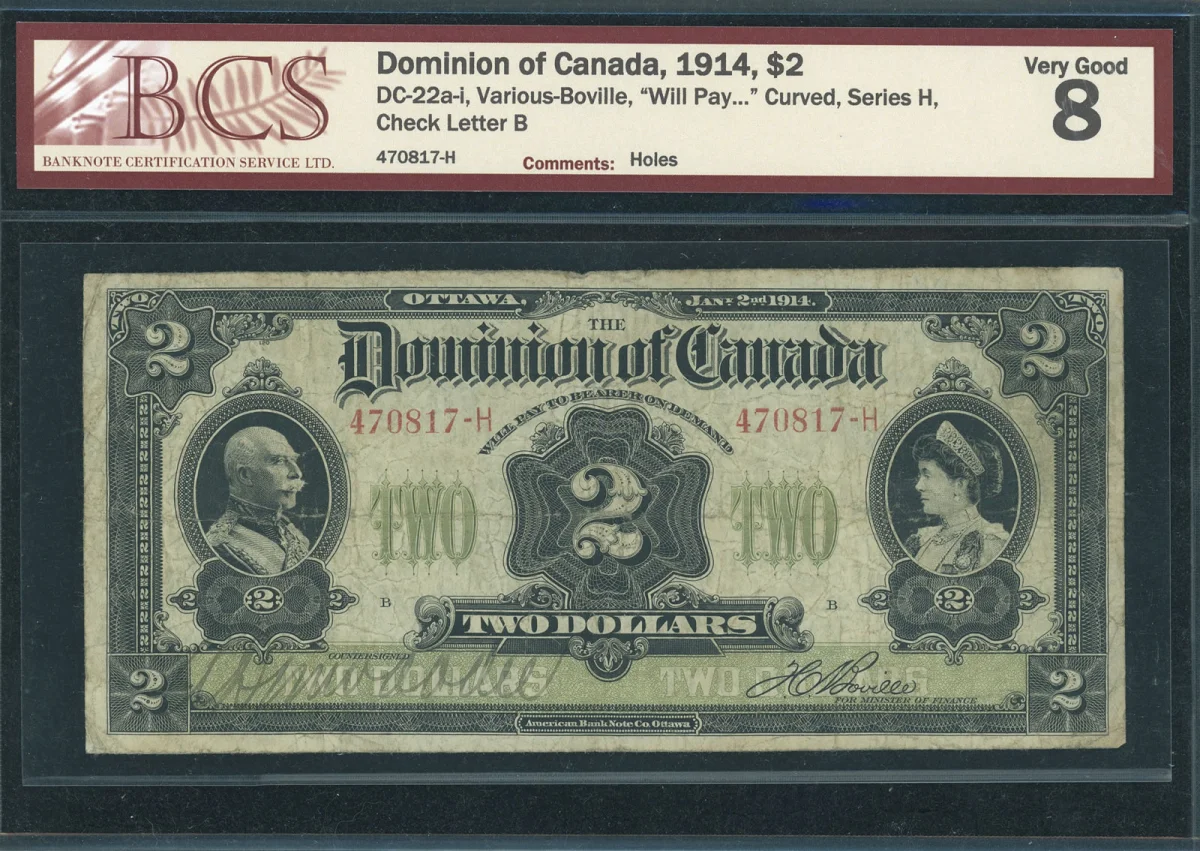
The listing describes the offering as an “Odd & Curious” sale and notes that it contains more than 450 diverse lots. That range is the central draw: a substantial catalog can give attendees and remote bidders plenty to browse, while the sample images offer an initial look at selected material. The source does not identify the pictured objects or provide individual lot descriptions, so collectors will need to consult the catalog for those details. This is more significant than it looks: a broad sale can be appealing precisely because it may bring together material that doesn't fit neatly into one collecting category, but that same breadth makes careful lot-by-lot review essential.
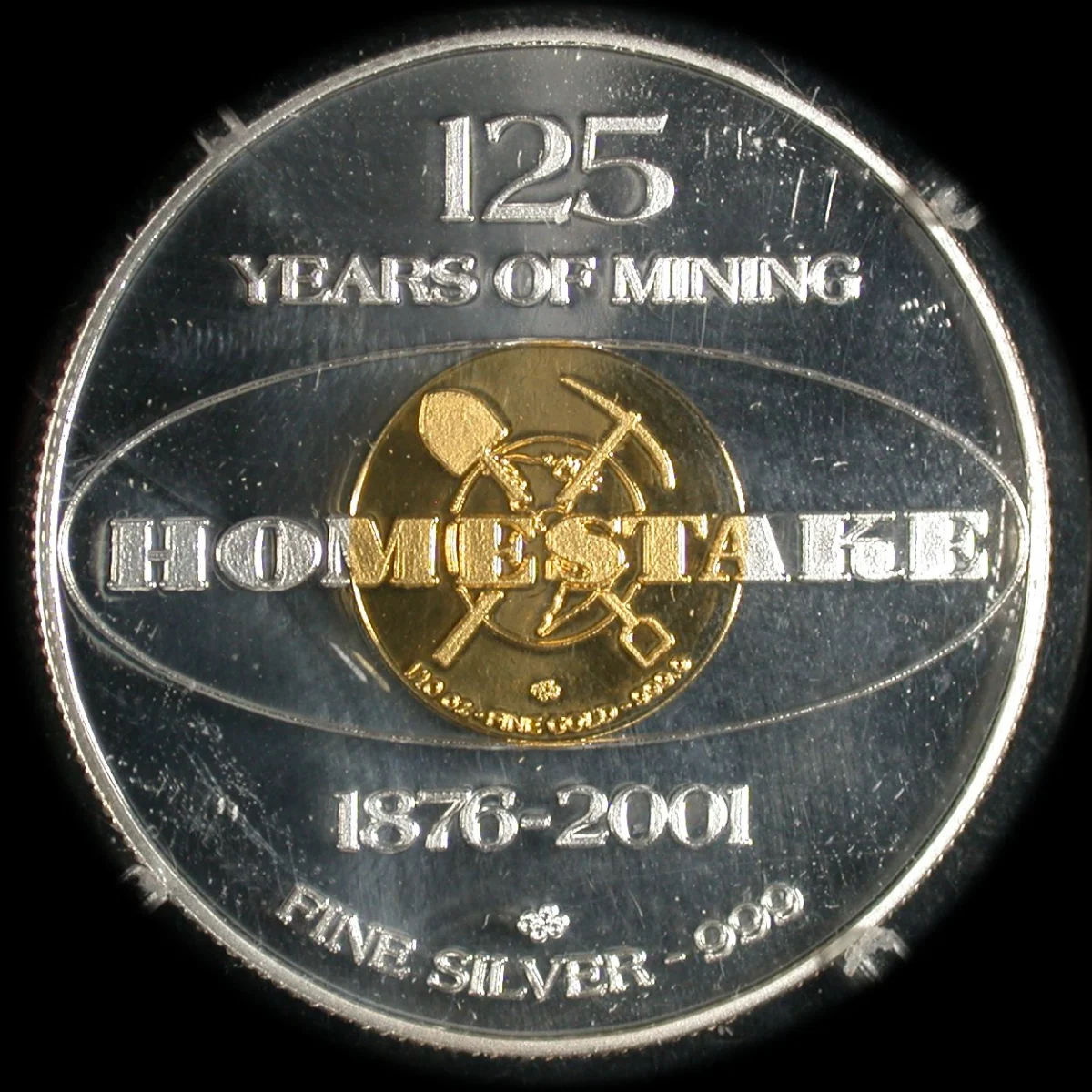
A large count alone doesn't tell bidders how the sale is organized or how much of the catalog will interest them. The “Odd & Curious” wording is a useful invitation to look, not a substitute for an inventory. The photographs may catch the eye, but an image can leave questions about identification, condition and completeness unanswered. No shortcuts here.
Plan around pickup and invoicing
Convention attendees can collect their lots in person on Saturday, May 10. For absentee bidders, invoicing is due to begin Monday, May 12. Those dates give buyers a useful outline for planning around the live event and the days immediately after the sale. They also mark separate steps in the process: the auction takes place Friday evening, local pickup is offered the following day, and invoicing for absentee buyers starts after the weekend.
That timetable has practical value for anyone deciding whether to attend in person or bid remotely. A convention visitor can account for pickup on Saturday, while an absentee bidder can note when invoicing is expected to start. The announcement doesn't state when invoices will be sent to each buyer, when payment is due, or what delivery options are available. Those details shouldn't be guessed from the dates provided; check the auction information for the terms that apply to your lots.
Before placing a bid, collectors should check the iCollector entries for the specific lot details, including descriptions and any condition information supplied there. The article itself gives no grades, measurements, provenance, estimates or sale results, so none can be inferred from the sample photographs alone. For unusual material in particular, the written catalog entry is the place to confirm what is being offered. A photograph can help a buyer recognize an object, but it can't carry the full burden of describing it.
Condition deserves close attention because terms used in auction descriptions can mean different things across collecting fields. Coins, stamps, cards, toys and other collectibles each have their own features that buyers may want documented. The announcement doesn't tell us which of these categories appear in the sale, so there's no basis for assuming a particular kind of material or standard of description. Read the actual entry, and contact the auction organizer if a question remains unanswered.
Review the catalog
The auction page provides the route to browse the lots and place advance bids. The event is tied to the May convention in Stratford, with the live session on Friday evening and in person pickup available to convention attendees the following day. Absentee bidders should watch for invoicing beginning May 12. Taken together, those are the firm planning details in the announcement; the catalog and auction terms must supply the rest.
The sample images accompanying the announcement provide a visual preview, but they are not identified by lot number in the source. The catalog is therefore the next stop for anyone who wants to match an image with an individual offering and assess its details before bidding. When a preview image isn't tied to a lot in the announcement, treating it as representative of a specific item would be premature. Confirm the match on the auction page.
Collectors can also use the catalog to narrow a large offering to the lots that fit their interests. With more than 450 lots described as diverse, browsing every entry may take time; filtering by category or searching descriptions, where the platform allows it, can make that review more manageable. The announcement doesn't say which catalog tools are available, so bidders should rely on the page itself rather than assume a particular feature.
What the sale means for collectors
The sale's main promise is breadth, supported by a clear venue and schedule connected to the O.N.A. Convention. That makes it relevant both to people attending in Stratford and to collectors following the online catalog. And yet, breadth is only useful when the entries give buyers enough information to judge the material. The announcement offers a preview of the event, not a substitute for the catalog.
For hobbyists, the practical opportunity is straightforward: inspect the listings, identify the lots that warrant closer attention, and plan around the Friday live session or the available advance bidding. If you're attending, the stated Saturday pickup date gives you a point to build into your convention plans. If you're bidding remotely, keep the invoicing start date in view and check the posted terms for payment and delivery details.
The sale may reward curiosity, but the evidence available here stops at the headline facts: more than 450 lots, an “Odd & Curious” description, the May convention setting, and the dates for bidding, pickup and invoicing. The catalog will determine whether the individual offerings match a collector's interests. That's where the announcement becomes actionable.