Monday, August 31, 2026 · Toys & Action Figures
Vintage Record Players: Turntable Types, Brands and Buying Tips
Noted by America's Antique Mall · 419 reads
Compare vintage and modern players, explore Technics, Thorens and Pioneer, and learn the parts and drive systems to check before buying.
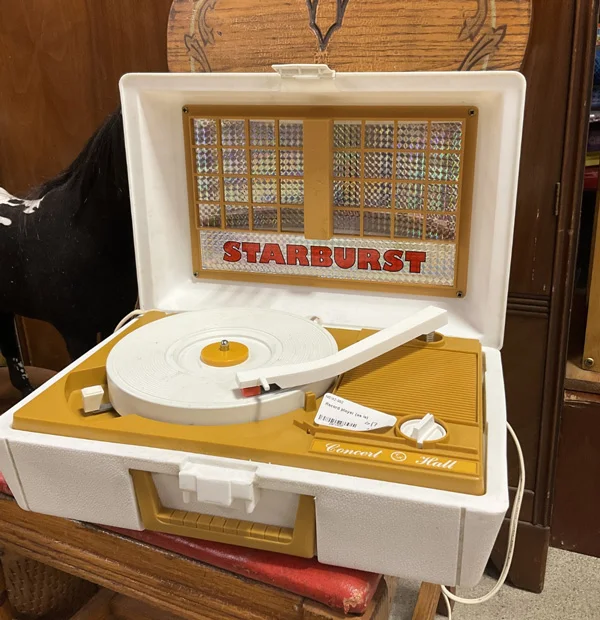
Choosing a vintage record player means weighing sound, condition and the kind of listening setup you want at home. A well-built machine can bring the tactile appeal of physical music into daily use, but age alone doesn’t guarantee good playback. The right choice depends on whether you want an all-in-one cabinet, a separate turntable and audio system, or a portable design—and how much maintenance you’re ready to take on.
Why vinyl and vintage players appeal to collectors
Vinyl’s return draws people for different reasons. Some listeners remember records from home or college and enjoy the ritual of putting on an album. Others came to vinyl more recently and value owning physical music: a record can be displayed, handled and played without relying on a streaming subscription or the continued availability of a particular recording online.
That physical connection is part of the appeal, but playback equipment matters. A record player is both a listening device and, in many cases, a substantial piece of furniture. Cabinet models can make a room feel rooted in another era, while a separate turntable may suit a collector building a system around sound and component choice. The [return of vinyl](https://camoinassociates.com/resources/vinyl-records-resurrection/) has helped put both vintage machines and new retro-styled designs back in view.

Modern convenience or vintage character?
Modern players often make setup easier. Some include a preamp or Bluetooth connectivity, features that can reduce the number of additional components needed and give listeners more ways to connect. They may suit people focused on current releases and convenience. Still, not every low-cost player is equally kind to records. The source cautions that some inexpensive suitcase-style models may damage grooves. If a player appears to be wearing records, set aside prized albums until you can use better equipment.
A vintage machine offers a different set of tradeoffs. Older models are prized for their construction, appearance and, when properly maintained, their playback. But they can require attention to cables, belts and small moving parts. Before buying, consider whether you’re comfortable with routine servicing and occasional troubleshooting. A handsome cabinet is only part of the decision; the mechanism needs to work well, too.

Collectors often point to substantial platters and dense plinths as features that can help damp vibration. Metal and wood components also give many older machines a sturdy feel. Properly set up tonearms, counterweights and anti-skate mechanisms can help the stylus track the grooves consistently. These features make condition and adjustment important: a vintage player’s age or reputation alone can’t tell you how it performs today.
There’s also the look to consider. Vintage turntables and cabinets span several decades of design, so it’s possible to find a style that fits a listening room as well as a collection. The attraction may be nostalgia, craftsmanship, sound or some combination of the three. For some owners, keeping a machine clean, serviced and in working order is part of the pleasure.

What to decide before you shop
Start with how you listen. Do you want a straightforward setup for playing records, or do you want to choose separate components? Is minimal upkeep more important than hands-on restoration? Would you rather start records manually, or prefer a changer or automatic operation? These questions can narrow the search before you browse a shop or online listing. A [guide to choosing a record player](https://www.americasantiquemall.com/post/how-to-choose-the-right-record-player) can help frame those decisions.
When inspecting a vintage unit, use the terminology to ask focused questions about its parts and operation. Find out what has been serviced, whether the belt is in usable condition where applicable, and whether the player can select the speed your records require. Check that the tonearm and stylus are present and that the machine’s connections suit the rest of your audio setup. The source recommends learning the component names before shopping; that knowledge can make a conversation with a seller more useful.
Brands with a place in vintage collecting
Brand can offer a starting point, but it won’t replace checking a particular machine’s condition. The source identifies Technics, Thorens and Pioneer as collectible names, each with a distinct history and appeal. Think about sound, maintenance and whether you prefer an automatic or manual model as you compare examples.
Technics
Technics released its first record player in 1970. The SP-10 is described in the source as the first direct-drive turntable. Later models built on that approach with direct-drive motors, speed stability and sturdy construction. Collectors value the brand’s focus on accurate analog playback and durable equipment. Its reputation for requiring relatively little maintenance can make a well-kept model appealing to someone who wants vintage performance without a full restoration project.

Thorens
Thorens introduced its first electric motor-driven turntable in 1928. The TD 124 helped establish the company in the 1950s and 1960s, followed by the TD 150, identified as its first suspended sub-chassis turntable. The brand’s Swiss engineering and high-end designs are central to its standing among collectors. A specific unit still deserves a close condition check, especially if you’re comparing machines that may have had different levels of service.
Pioneer
Pioneer began as a speaker repair shop in the 1930s and moved into turntable production in the early 1960s. The source highlights vibration damping, sound quality and continuing collector interest among its vintage models. It also reports that Pioneer made more than 200 different models during its vintage run, which gives shoppers a broad range to encounter. Model variety makes it useful to identify the exact unit and learn what parts or service it may need.

For shoppers who prefer a new player with a retro look, the source names Crosley and Victrola as brands whose designs echo record players from the 1950s and 1970s while adding modern features. These are modern options styled to recall vintage equipment, so compare their specifications and construction with the needs of your records and listening setup.
Turntables, record players and drive systems
The terms overlap in casual conversation, but they describe different setups. A turntable is the mechanism that spins a record and converts groove movement into an audio signal. A record player usually refers to an all-in-one system that combines a turntable with an amplifier and speakers.
A separate turntable lets listeners select components and build a system around their preferences. To play music through speakers, however, you may need a preamp, receiver and speaker system in addition to the turntable. Include those parts in your budget and make sure the components can connect before choosing this route.
Vintage turntables use different drive arrangements:
- Belt-drive: A belt connects a motor set beside the platter to the platter itself. The belt can absorb some motor vibration, making this design a common choice for home listening.
- Direct-drive: The platter connects directly to the motor’s rotor, without a belt or gears. This arrangement can reach speed quickly and is known for durability; it’s often associated with DJ use.
- Idler-wheel: A rubber wheel transfers motion from the motor shaft to the platter’s inner rim. This design can turn heavier platters and is of interest to hi-fi collectors and people restoring audio equipment.
Know the components
Understanding the basic parts helps when checking a listing or inspecting a player in person. It also gives you a clearer picture of what may need adjustment or repair.
- Plinth: The base or chassis supports the player’s components and helps limit vibration.
- Platter: The rotating surface that holds the record.
- Motor: Supplies the force that turns the platter.
- Speed selector: Sets the rotation speed. The source lists 33 1/3, 45 and 78 RPM.
- Needle or stylus: Follows the record groove and turns its physical patterns into electrical signals through the cartridge.
- Tonearm: Holds the cartridge and stylus at the angle and pressure needed to follow the groove.
- Cartridge: Houses the stylus and converts its mechanical vibrations into electrical signals.
- Counterweight: An adjustable weight at the rear of the tonearm that helps set the stylus’s downward pressure.
- Anti-skate: Helps keep the tonearm from drifting away from the record grooves during playback.
- Preamp: Raises the turntable’s low-level signal so it can be amplified by a speaker system.
- Inputs and outputs: Connection points for other audio equipment, more commonly found on modern designs.
Cabinets, portables and other formats
Vintage players come in several formats, and the best fit depends on available space, preferred operation and intended use. The source lists all-in-one consoles, portable suitcase players, automatic record changers, cabinet record players and manual turntables. Some combine the audio components in a single piece; others require separate equipment. Think about where the player will sit and how you want to use it before settling on a style.
Finding a player and checking its condition
Antique malls can be a useful place to browse because multiple vendors may offer records and audio equipment under one roof. The selection changes, so a visit can turn up an unexpected model, but availability is never guaranteed. If you’re seeking a particular player or cabinet, call ahead to ask whether one is currently in stock. A seller familiar with the item may also be able to answer questions about its history or care.
Online listings and auction sites offer other ways to search, while in-person shopping lets you examine a machine before buying. Wherever you look, match the model to your practical needs: check its components, connections, operating speeds and signs of wear, and ask about maintenance. For record care, the source points readers toward advice on [cleaning and caring for vinyl](https://www.americasantiquemall.com/post/caring-for-your-vinyl-records-like-a-real-audiophile). A carefully chosen player can make a collection more enjoyable to hear and display; a careful inspection helps ensure the machine is ready for both.