Monday, September 7, 2026 · LEGO & Building Sets
Vintage Farmhouse Décor: Rustic Materials, Heirlooms and Cozy Finds
Noted by America's Antique Mall · 402 reads
Build a vintage farmhouse look with worn wood, muted colors, family keepsakes and a thoughtful mix of old and new pieces.

A lived-in style built around useful things
Vintage farmhouse décor draws its appeal from the way it brings practical objects, timeworn materials and personal history into the same room. It takes inspiration from rural life, but a farmhouse or acreage isn’t a prerequisite: the look works in city apartments, suburban homes and country houses alike. Its focus is comfort, nostalgia and usefulness, with space for real wood furniture, family keepsakes and objects that still serve a purpose.
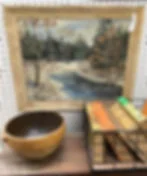
There’s no strict checklist for deciding whether a piece belongs. A worn wooden table, a metal basket or a handmade quilt can all contribute, especially when they feel natural in the room rather than arranged to look like a showroom. That freedom is part of the style’s appeal: it can be assembled gradually, from inherited objects, secondhand finds and newer pieces with farmhouse lines.
The aesthetic has roots in design traditions found in European and colonial American farmhouses during the 17th and 18th centuries. Its continuing popularity reflects three familiar pleasures: the sentimental pull of the past, the ease of a comfortable room and the chance to make a home’s history visible. You don’t need memories of farm life to appreciate the mood; a few well-chosen pieces can evoke a slower, more familiar setting without turning a home into a period display.
Comfort, memory and personal history
Muted colors, soft materials and practical furniture give vintage farmhouse rooms their welcoming character. The aim is a space that invites people to sit down and settle in. This can be especially appealing when a home feels visually busy: familiar textures and calm colors offer a gentler atmosphere without requiring every room to be redesigned at once.
Personal objects help keep that warmth from feeling generic. A painting connected to the local landscape, a family portrait, handwritten letters or a treasured set of china can give a room a story that mass-produced decorations can’t supply. Displaying heirlooms is not just a way to add age to a room; it’s a way to make the decor reflect the people who live there. A framed letter or an antique clock might take pride of place, while smaller keepsakes can sit on a shelf or mantel.
That personal quality also explains why farmhouse décor can feel nostalgic to people who never lived on a farm. The style suggests everyday rituals and useful objects passed between generations. A collection of favorite pieces can create that sense of familiarity without requiring a home to imitate an entire historical setting.
Old and new can share a room
A convincing vintage farmhouse room doesn’t have to be furnished entirely with antiques. Mixing older pieces with new farmhouse-inspired furniture is a practical way to shape the look, particularly when a specific item is difficult to find secondhand. Contemporary furniture often borrows the restrained colors and familiar forms of older designs, while using newer materials and cleaner lines. The blend can also make it easier to furnish a room without waiting for every piece to turn up at a flea market or antique mall.

Reclaimed furniture brings a different kind of character. Made from salvaged or secondhand materials, it can preserve the marks and patina of earlier use while giving sturdy wood another life. A found armchair, desk or side table may be the anchor for a room; a newer sofa or bed can then provide a useful counterpoint. There’s no need to choose one category for the whole home. Pairing old and new tends to make the room feel collected over time.
When shopping for pieces described as vintage or antique, check their age and authenticity before paying a premium. Farmhouse-inspired reproductions are widely available, and a newer piece can still suit the style. Knowing what you’re buying helps you choose based on condition, materials and character rather than assuming that every rustic-looking object is old.
Materials, colors and details that set the tone
Weathered wood is a natural starting point. Distressed timber, exposed brick and substantial stone can work together to create the warm, textured foundation associated with farmhouse interiors. Their worn surfaces bring visual variation, so the room doesn’t depend on pristine finishes to feel complete. These materials can appear in major features such as floors and cabinetry, or in smaller furniture and decorative pieces.
Metal accents bring contrast to those warmer surfaces. Galvanized metal baskets, candle holders and wall pieces add a cooler note beside wood and brick. A few well-placed accents can lend a room definition without making it feel industrial or overly polished.

Keep the palette calm and muted. Creamy ivory, sage green, barn red, slate blue and soft yellow suit the style’s relaxed character. These shades can guide choices for wall paint, linens and upholstery. Stark white and vivid color can be harder to blend with the softer, aged look described here, though individual pieces still have room to show their character.
Textiles do much of the work of making a farmhouse room feel lived in. Linen curtains and cotton tablecloths bring natural texture to everyday spaces; chunky knit quilts and wool blankets add warmth to beds. Burlap, canvas and lace can also fit the mix. Durable natural fabrics are a useful choice for pieces that will be handled and used regularly.

Patterns can be mixed rather than matched as a set. Gingham, plaid, ticking stripes, florals and tartan all draw on familiar traditional motifs. Combining them with solid fabrics and varied textures helps a room feel assembled gradually. The goal is a comfortable mix, not a perfectly coordinated display.
Let rooms show signs of life
The farmhouse look loses some of its charm when every surface feels staged. A balanced combination of antique décor and modern furniture can keep a room functional while giving it a familiar, collected appearance. Signs of everyday use in high-traffic spaces fit the style; the room should feel ready to welcome guests rather than too precious to touch.
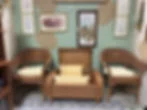
Small changes can shift an existing room toward this mood. If a sofa still works but feels too contemporary, custom cushion covers can introduce a more rustic color or fabric. Personal mugs, family photographs and well-used objects can do more to make the room feel individual than a collection of interchangeable decorations.
Lighting matters, too. Harsh overhead lights can work against the gentle atmosphere, so consider warmer sources where practical. Table lamps, rustic chandeliers and exposed Edison bulbs can create pools of light and make a room feel more inviting. Vintage fixtures may contribute both function and character.
Finding pieces and giving them another use
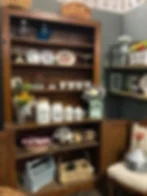
Antique malls and secondhand shops offer a changing selection of furniture, textiles and decorative objects, making repeat visits useful when you’re assembling a room over time. Look for floor lamps, metal trays, wooden crates, spice racks, curtains, wood dining tables and antique armoires. Vintage signs can add a graphic element, while a well-made cabinet or table can provide both storage and a strong visual anchor.
Consider an item’s scale, condition and purpose before bringing it home. A useful piece can earn its place more easily than an object chosen only for its age. A reclaimed table may serve daily meals; a crate might hold blankets; a metal tray can organize small items. That practical quality ties the look together.
Upcycling extends the same idea to objects already at hand. Glass bottles can sit in a window, a vintage sewing machine can become a display piece, and a typewriter can bring character to a home office. Retro suitcases can provide storage as well as decoration. Objects don’t have to have been made as décor if their materials and appearance suit the room and they can be displayed or reused safely.
Start with one or two pieces that mean something to you, then build around their materials and colors. A room can take shape through a mix of reclaimed furniture, comfortable textiles, practical accents and newer pieces that meet everyday needs. The most convincing vintage farmhouse spaces feel personal because their objects have a reason to be there.