Monday, September 21, 2026 · LEGO & Building Sets
Vintage Barware: Styles, Glassware, Buying Tips and Care
Noted by America's Antique Mall · 532 reads
Explore Art Deco, Victorian and Mid-Century Modern barware, plus tips for spotting damage, checking for lead and caring for vintage glass.
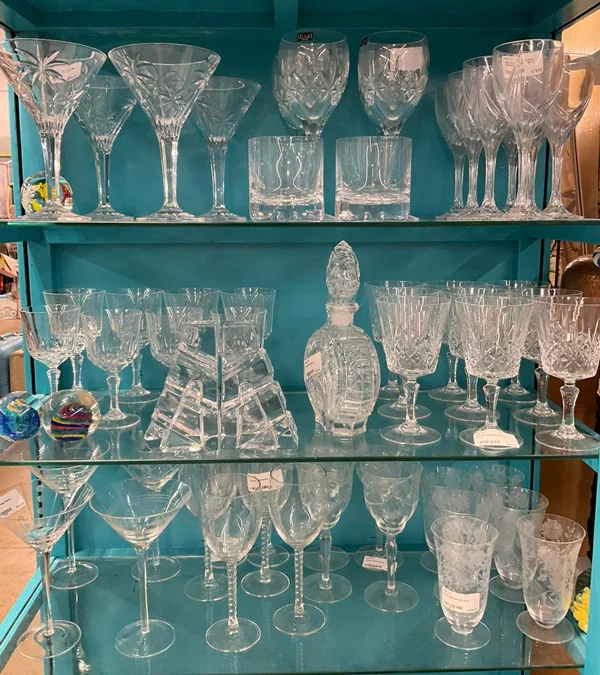
Vintage barware brings together useful tools, distinctive glass shapes and decorative designs from several eras. For collectors, the appeal can be a matching cocktail set or a single piece with a memorable shape; for hosts, the right glass and tools can make serving drinks feel more considered. A little research before shopping helps you recognize the styles you like and check whether a piece is ready for use.
Tools that give a home bar its character
Barware includes the tools and serving pieces used to prepare and enjoy alcoholic and non-alcoholic drinks. Shakers, muddlers and jiggers are used during preparation, while glasses, mugs and ice buckets are part of serving. Some pieces do both jobs: a striking shaker can sit on display between uses, and a handled opener can be a small collectible in its own right.

Common tools include metal or glass shakers for mixing ingredients with ice; double-sided jiggers for measuring spirits and other ingredients; and strainers for holding back ice, pulp or herbs as a drink is poured. Bottle openers remove metal caps, while corkscrews draw corks from bottles. An ice bucket keeps drinks cold at the serving station, and a muddler crushes or presses herbs, sugar and fruit to release their aromas.
Vintage examples vary in material, decoration and construction. A simple working tool may suit a practical bar setup, while a sculptural or embellished piece can add display interest. When comparing pieces, look at how the tool operates as well as how it looks: a decorative shaker still needs to seal, and a muddler should feel sound enough for its intended task.
Glass shape affects the serving experience
Glassware is part of a drink’s presentation and its sensory experience. A stem keeps a hand away from the bowl, which can help a chilled drink stay cool. Bowl shape and rim can influence how aromas reach the drinker, while a tall, narrow glass helps retain carbonation. A drink can still be enjoyable in a different vessel, but choosing a shape suited to the pour can bring out its intended qualities.

A varied collection covers different styles of service. Martini glasses have a shallow, V-shaped bowl and a long stem. Wine glasses vary in bowl size according to the wine; their bowl and stem are designed to support aeration and aroma. For more detail on wine glass forms, see this guide to different types of wine glasses.
Lowball glasses have a short profile, wide opening and thick base, and are often used for spirit-forward drinks over ice. Highballs are taller and straight-sided, with room for ice and mixers. Champagne flutes have a slender bowl and tapered rim. Steins, sometimes fitted with a hinged lid, have sturdy sides and a handle for serving ale or cider. Margarita glasses have a wide top and low bowl, while Moscow mule mugs are cylindrical, handled vessels traditionally used for a drink made with ginger beer, lime juice and vodka.
Three eras to look for
Art Deco, Victorian and Mid-Century Modern are among the commonly found styles in vintage barware. Knowing the visual cues can help collectors narrow a search or decide whether a mixed group of pieces works together. Some prefer a coordinated set; others enjoy mixing periods and finishes. Either approach can work, provided the pieces suit the collector’s taste and use.
Art Deco: decorative and functional
Art Deco barware is associated with bold, symmetrical decoration and an emphasis on objects that could serve as both equipment and display. The source of its popularity is tied to the period’s home entertaining culture: cocktail accessories offered a way to make drinks service feel polished. Look for vertically shaped shakers with symmetrical etched designs, along with cocktail glasses made from colored glass, chrome-plated metal or cut crystal. A matching shaker, glasses and accessories can be an especially appealing find.
Collectors interested in the wider design language can compare pieces with this overview of Art Deco design. An apparent stylistic match alone doesn’t establish a piece’s age, so marks and construction deserve a closer look.
Victorian: fine detail and varied forms
Late 19th-century industrial growth made machine-cut, molded and pressed glassware more widely producible. Victorian barware includes engraved glass decanters, tumblers with floral etching, shaped jugs and glassware made for serving different wines and spirits. The fine decoration is a strong part of the appeal, and the variety gives collectors plenty of forms to compare.

Mid-Century Modern: atomic motifs and bold color
Barware made between the 1950s and 1970s often features the forms and imagery associated with the Space Age. Starbursts, flying saucers, metallic accents, bright colors and fantastical illustrations are useful cues to look for in shakers and glasses. The style remains familiar to many collectors from popular culture and family memories, but a design cue still needs to be considered alongside marks, materials and condition. See this introduction to Mid-Century Modern design for related details.
When browsing, keep an eye out for Highland antique mall pieces with atomic motifs, as well as the coordinated colors and metallic details common in the era. For collectors who enjoy combining periods, a deliberate mix can also suit an eclectic interior; this overview of maximalist décor offers one approach.
Finding pieces and assessing condition
Secondhand barware can be an accessible way to build a collection a few pieces at a time, though prices vary. A complete 12-piece set of vintage martini glasses in excellent condition may sell for hundreds of dollars, while individual glasses, tools and accessories may be available at more modest prices. The source gives no fixed price range, so compare similar pieces and let condition, completeness and design guide your assessment.
Yard sales and online auction sites are among the places collectors search. Antique malls offer another option, with many vendor collections gathered under one roof. Browse the booths and display cases carefully; pieces can be easy to miss when shelves contain a wide mix of styles. For tips on finding barware, consult this guide to antique barware. The source also points shoppers to Melbourne, Phoenix and Algonquin locations, and suggests calling ahead to ask whether a particular shop has vintage glassware in stock. Locations and contact details can be found through America’s Antique Mall locations.

Three checks before buying
Check authenticity. Ask a vendor about a piece’s history and look for maker’s marks, etched signatures, brand logos or production backstamps on its base and sides. These identifiers can help you research an item online, though their presence alone may not settle every question about age. Seek transparent sellers, such as the Louisville vendors highlighted by the source.
Research styles and makers. A quick look at design eras and brands before a shopping trip can help you recognize the forms you want and judge whether an asking price merits more investigation. Browsing without a plan can be part of the fun, but some preparation makes comparisons easier. The source also points to reasons to shop at antique malls.
Inspect every piece. Examine the surface, rim, joints and crevices for chips and cracks. Light scratches or peeling decals may be consistent with age, but more serious damage can affect a piece’s structure and function. If a glass has a crack or a tool has damage that compromises its use, consider leaving it behind or choosing it for display or another purpose.
Cleaning, storage and lead testing
After bringing a piece home, wash it by hand using mild dish soap, warm water and a soft sponge. Avoid dishwashers and harsh abrasives, which may harm delicate parts or painted decoration. Dry glassware completely before storing it. For metal pieces, buff the surface as appropriate. Use warm water rather than very hot or very cold water to reduce the risk of thermal shock.

The source cautions that some older products may contain lead and recommends lead test swabs. It suggests rubbing a swab on the surface, rim and decorated areas; a color change indicates a positive result under the test’s instructions. A piece that tests positive should not be treated as safe for drink service. Follow the test maker’s directions and consider keeping uncertain pieces for display.

The source also describes a “Clink Test,” in which glass or crystal is tapped with a metal utensil or fingernail: a long, high-pitched ring is presented as a possible sign of lead, while a short, dull sound is described as more likely to indicate no lead. Sound alone cannot confirm whether an item contains lead; use an appropriate test and avoid relying on this check to establish drink safety.
Whether your collection centers on a cocktail shaker, a set of wine glasses or colorful beer mugs, the best finds combine design interest with sound condition. Look for identifying marks, inspect carefully and clean each piece gently before deciding whether it belongs on the bar or on display. For a starting point, browse Louisville or other Streetsboro listings, and keep the drinkware suited to the way you plan to use it.