Monday, August 3, 2026 · LEGO & Building Sets
Starting a Rock Collection: Rockhounding, Specimen Care and Display
Noted by America's Antique Mall · 386 reads
From choosing a collecting focus to cataloging and displaying finds, these practical steps help build a rock collection with care and curiosity.

A rock collection can be a record of the places you’ve explored, the minerals that catch your eye, or the geological details you’re learning to recognize. A beach pebble picked up on a trip and a crystal acquired from a specialist seller may have very different origins, but each can give a collection its own character. The best place to start is with a clear idea of what you want to collect and how you’ll keep track of it.
What draws collectors to rocks and crystals?

Rocks form over immense spans of time, and even an ordinary-looking specimen can offer a tangible connection to Earth’s history. A geode found near home, for instance, may interest a collector because of its structure and origin, while a specimen bought at an antique mall in Ohio may come with a seller’s description or a story about its previous collection.
People collect minerals for different reasons. Some are interested in their scientific features and the conditions that produced them. Others appreciate the colors, shapes and patterns, or value the hands-on pleasure of finding a specimen outdoors. Crystals also have spiritual associations in some cultures and traditions. Collectors who explore those beliefs can read about subjects such as gemstones and chakras while keeping those traditions distinct from the geological properties of a stone.
Display can be part of the appeal, too. A specimen might sit on a coffee table, serve as a paperweight on an antique desk, or take a place in a glass cabinet. The right choice depends on the specimen and the kind of collection you’re building.
Rockhound, mineralogist or lapidary?

“Rockhound” usually describes someone who searches outdoors for rocks and geological specimens. It covers a range of interests: beachcombers look along shores for naturally worn stones, fossil hunters seek traces of prehistoric life, and gold panners focus on gold and other metals in waterways.
The word doesn’t describe every kind of collector. Someone who focuses on the study and collection of minerals and gemstones may identify more closely with mineralogy or gemology. A person who cuts, shapes and polishes stones may call themselves a lapidary. These interests can overlap, but choosing a focus helps you find useful reference material and other collectors with similar aims.
Value depends on the specimen and its record

Some uncommon crystals, meteorites and geological formations attract strong interest from collectors, but most rocks don’t have substantial financial value. For many hobbyists, the reason to collect is the specimen’s appearance, place of origin or fit with a particular theme. A stone found during a trip can be meaningful even when it isn’t rare.
When collectors assess a specimen, factors often include rarity, condition, appearance and provenance. A well-preserved crystal with distinctive features and a documented history may draw more interest than a common example with less striking color. That doesn’t make price easy to predict: descriptions, evidence of origin and the interests of potential buyers all matter. Collectors browsing an antique mall can ask sellers what they know about a specimen and whether any records or labels accompany it. For further reading about factors used to assess rocks and crystals, see this guide to rock and crystal value.
Finding specimens or buying them

Collecting in the field offers the satisfaction of finding a specimen yourself and learning about the geology nearby. It can also keep the hobby personal: the location and circumstances of a discovery become part of the object’s story. Before heading out, check whether collecting is allowed at the location and follow any posted access requirements.
Buying gives you access to specimens that may not occur where you live, including stones with particular colors, forms or origins. Specialist sellers, antique malls and online dealers can help collectors narrow in on a specific type of material. Look for vendors who can explain what they’re selling, and ask whether a specimen has a label or other information about its source. A visit to a Highland antique mall or an online search can broaden the options. Field collecting and buying can work well together, especially when you keep a record of where each piece came from.
Seven steps for building a collection
Starting small makes it easier to learn what interests you before you add more specimens. These steps provide a practical framework, whether you’re exploring outdoors or shopping at a local Algonquin antique mall.
- Choose a focus. Decide what you want to collect before bringing home every interesting stone you see. A defined theme can help control spending and make the collection easier to organize.
- Research how rocks form. Learn the basic classifications and features that help distinguish specimens.
- Learn the terminology. Familiarity with common descriptions makes it easier to talk with sellers and other collectors.
- Gather field tools. Bring the equipment you need to inspect, document and safely transport finds.
- Choose where to search. Local geology shapes what you’re likely to encounter.
- Build a catalog. Record identifying details and the story behind each specimen.
- Clean with care. Use a method suited to the material, and handle fragile pieces gently.
Pick a collecting niche

A focus can be based on appearance, geography or material. Common approaches include classic minerals such as quartz, fluorite, pyrite, calcite and smithsonite; rocks from a particular region; banded stones whose patterns emerge through cutting and polishing; geodes with crystal-lined interiors; or specimens selected primarily for color. Collectors who enjoy comparing local geology might limit their search to a particular area, while display-minded hobbyists might favor stones with especially vivid surfaces.
There’s no need to settle on a permanent theme right away. A few early specimens can show you whether you’re more interested in crystal forms, regional geology or polished stones. Guides to classic minerals for collectors can help you identify options and build a shortlist.
Learn the major rock classifications

Rocks are commonly grouped as igneous, sedimentary or metamorphic. Igneous rocks form as molten material cools, either underground or at the surface. Their textures can be crystalline or glassy, and some have a bubbly appearance. Sedimentary rocks form from fragments of older rocks, minerals deposited from solution, or material from once-living organisms; visible grains and layered textures can be useful clues. Metamorphic rocks change under heat or pressure and may show banding or a more uniformly crystalline structure.
These broad categories don’t replace identification of a particular mineral or rock, but they give new collectors a useful starting point for organizing observations and deciding what to research next.
Get comfortable with collector terminology
Descriptions used by sellers and hobbyists can be unfamiliar when you’re starting out. Learn the basic vocabulary for mineral names, varieties, crystal forms and surface features before buying or trading specimens. A printed glossary from an independent bookstore or online resources such as glossaries for new rockhounds can provide a useful reference. Clear terminology also helps make catalog entries more consistent.
Pack a simple field kit

A field kit doesn’t have to be elaborate. A crack hammer and chisel can help break a geode or remove a small sample, while a hand lens lets you inspect fine details, often at 10x magnification. Goggles and gloves protect your eyes and hands during digging and when working with rock. Bring a field notebook and pencil to record where and when you found each specimen, along with observations about its features.
A map app, GPS device or paper map can help you mark a find’s location. A camera is useful for photographing specimens before they’re moved, sharing discoveries with other collectors and adding images to your records. A water spray bottle can reveal a stone’s color by rinsing away loose dirt. Carry tools and finds in a sturdy bag, and use newspaper or bubble wrap to cushion pieces during transport.
Search with location in mind

Where to look depends on local geology and access. Beaches, coastlines, riverbeds, road cuts, quarries and pay-to-dig mines may offer opportunities to observe or collect rocks. Some protected areas restrict collecting, so check local rules and site information before taking anything. For collectors who prefer to shop, an antique mall in Arizona is one example of a place to look for specimens offered by vendors.
Catalog each specimen and keep its records
Give every new piece a unique name or number, and record the mineral and variety when known. Note the date and place where you found it, or the seller and purchase price if you bought it. A catalog can start in a notebook or spreadsheet; what matters is that the system is easy to maintain. Keep any labels and records that came with purchased specimens. They can preserve useful information about the piece’s source and history. Collectors visiting a Melbourne vendor mall or buying online can add seller details to the entry as well.
Clean conservatively
Cleaning methods vary by mineral, so identify a specimen and check that it can tolerate water before soaking it. For suitable pieces, warm water and mild dish soap followed by gentle brushing with a soft-bristled brush may remove surface dirt; dry the specimen with a microfiber cloth. If a stone looks fragile, has delicate features or you’re unsure how it will react, handle it cautiously and seek material-specific guidance before cleaning. The same care applies to items bought at an antique mall collectors’ event and finds collected outdoors.
Storage and display
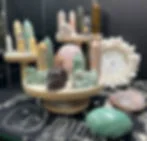
A display cabinet keeps specimens visible while helping protect them from handling and dust. UV-protected glass or acrylic can reduce exposure to light, and an airtight cabinet may help limit changes in moisture and humidity. LED lighting can show off a specimen’s details; choose a setup that suits the material and avoids unnecessary exposure.
For larger groups of small specimens, mineral flats or perky boxes offer organized storage. Compartments help keep pieces apart and reduce the risk of scratches, while stackable cases make it easier to store a growing collection. Pair each specimen with its catalog number or label so that its identity and background remain close at hand.
Start with a theme that interests you, document each find while its details are fresh, and choose cleaning and storage methods with the specimen in mind. That routine turns a handful of memorable stones into a collection you can keep learning from and enjoy displaying. To explore more locations, see America’s Antique Mall locations.