Friday, October 23, 2026 · Toys & Action Figures
Canadian Doll Artist Martha Boers Brings Ball-Jointed Dolls to Life Through Photography
Noted by Robert Martinez · 490 reads
Award-winning artist Martha Boers pairs costuming, photography and storytelling with her collection of ball-jointed and artist dolls.
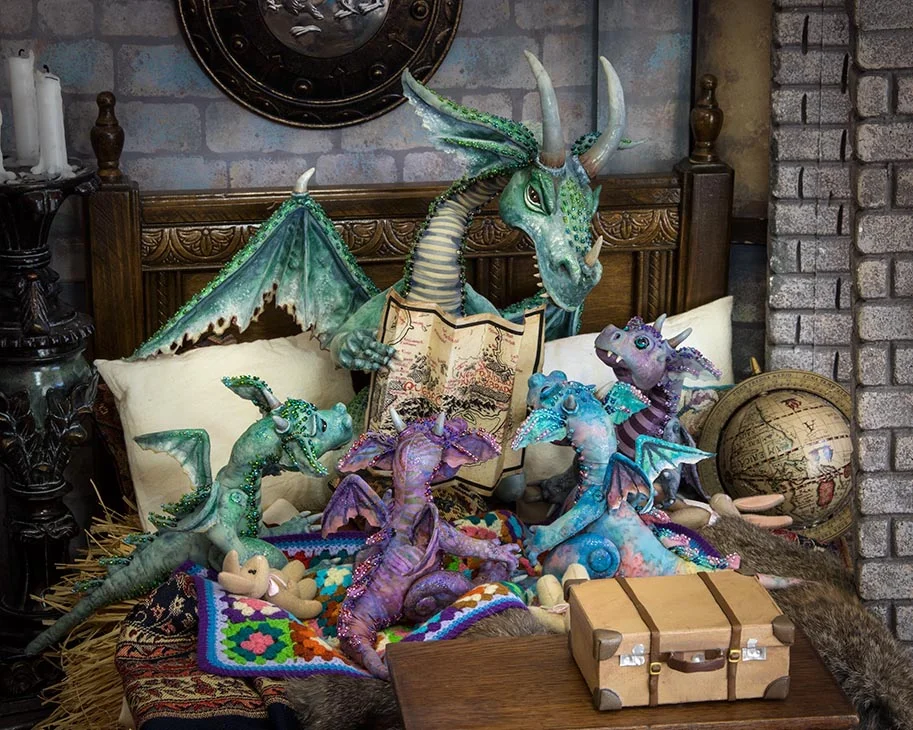
Martha Boers’s work brings together several parts of doll collecting that are often treated separately: the dolls themselves, the clothes that shape their character, and the photographs that give them a setting and a story. The award-winning Canadian doll artist and costumer uses her collection of ball-jointed and artist dolls as the cast for images and narratives of her own making.
That combination gives collectors a useful way to look at dolls beyond the display shelf. A carefully chosen outfit can change how a figure reads; a pose can suggest a relationship or a moment; and a photograph can preserve that arrangement as a finished scene. Boers’s practice connects collecting with hands-on presentation, where the collection becomes material for continued creative work.
Costume and character in the collection
Costuming is central to this approach. Clothing does more than dress a doll: it helps establish personality, period, mood and the visual cues that make one figure distinct from another. For collectors who enjoy styling their dolls, Boers’s work points to the creative decisions that sit between acquiring a figure and deciding how it will be seen.
Those choices can begin with the character a collector wants to suggest. A garment’s silhouette, color and details may guide the pose or the setting, while the doll’s position can make the clothing read differently. The source provides no specific costume materials, techniques or care instructions, so it doesn’t support claims about how Boers constructs or maintains her pieces. What it does establish is that she is both an artist and a costumer, working with dolls as subjects for visual storytelling.
Photography turns display into a scene
Boers also enjoys photographing her dolls. Photography allows a collector to compose a view that may be difficult to reproduce in a cabinet: the framing can draw attention to a face, a costume detail or the relationship between figures. Light, background and pose can all influence the impression, even when the objects themselves remain unchanged.
For ball-jointed dolls in particular, articulation gives the photographer room to arrange expressive positions. The source doesn’t describe Boers’s camera setup or name particular dolls, so those details should be left open. The broader appeal is clear, though: a pose can make a figure seem to be acting within a moment rather than simply standing for inspection. A photograph records that moment and offers another way to share a collection.
Stories extend the life of a doll
Alongside photography, Boers comes up with stories featuring her dolls. That narrative element gives the images a wider frame. Instead of treating each figure as an isolated object, a collector can imagine where it belongs, what it is doing and how it relates to the other characters in the scene.
This kind of storytelling doesn’t require a large production. A single figure, a chosen outfit and a deliberate pose can suggest a beginning or a turning point; adding other dolls can create a more elaborate exchange. The finished image may be the record of a private idea, or a way to invite viewers into the collector’s interpretation. The source doesn’t provide plot details or describe a particular series, so the emphasis remains on Boers’s interest in building stories around her collection.
A creative practice rooted in collecting
The brief description of Boers offers a portrait of collecting as an active practice. Her dolls are not only objects to acquire and arrange; they are also subjects for costuming, photography and imagination. Each activity can feed the next: a figure inspires a costume, the costume suggests a character, and the character prompts a scene worth photographing.
That cycle will resonate with collectors who enjoy making their displays personal. It also shows how a collection can keep developing without requiring new acquisitions. Reposing a doll, changing its clothes or photographing it in a different arrangement can reveal details that were easy to miss before. Boers’s award-winning work brings those creative possibilities together through ball-jointed and artist dolls.
The source points readers to a feature titled “Martha Boers’ Antique Lilac” for more about her work. For anyone following her practice, that linked feature is the next place to look for the specific doll, imagery and details behind the title. Here, the lasting takeaway is the blend of collection and authorship: Boers uses costume, camera and story to give her dolls a life beyond display.
Read more: Martha Boers’ Antique Lilac